
Bird Surveys
- Home
- Bird Surveys
Ornithological studies are critical to environmental impact assessments and biodiversity work.
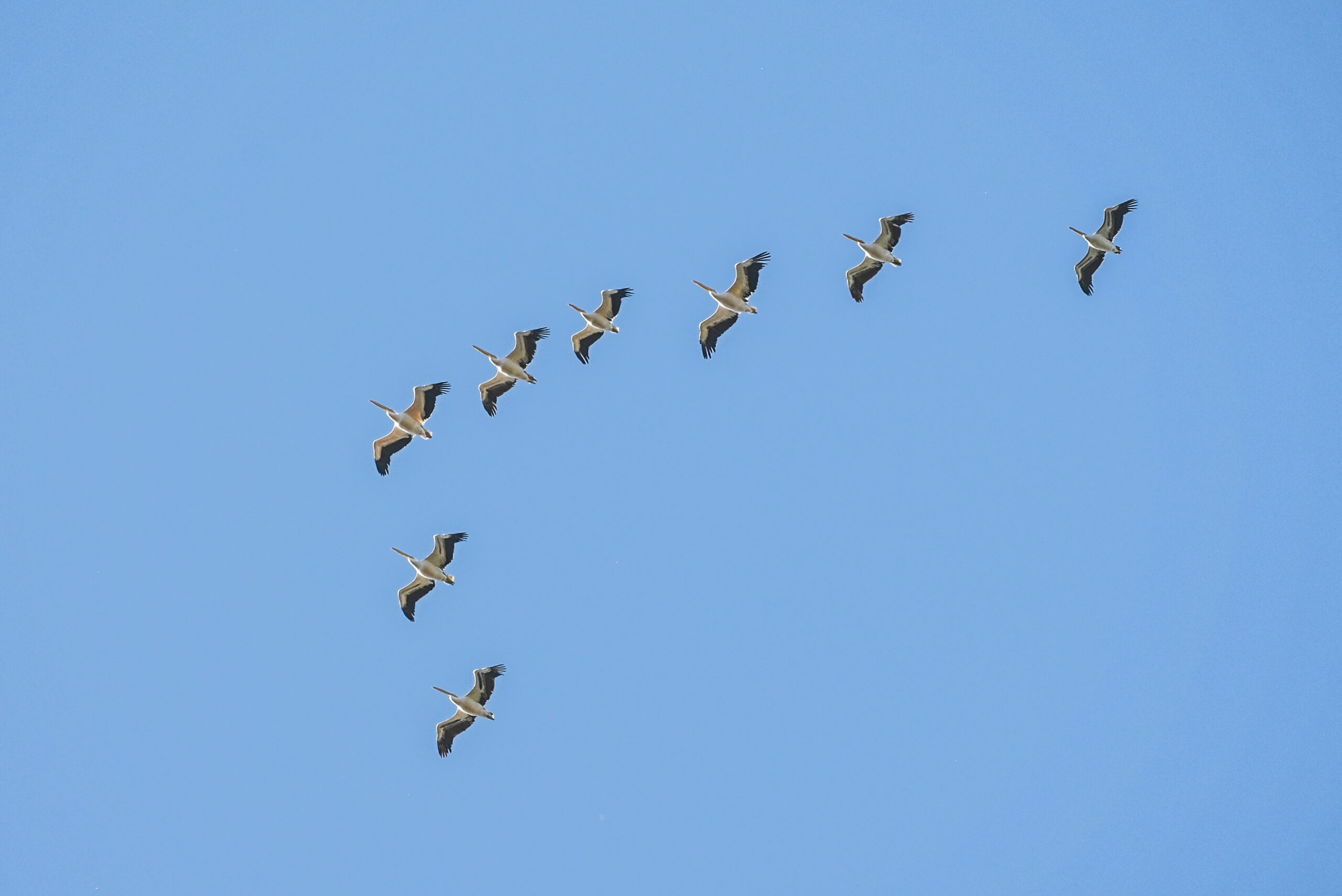
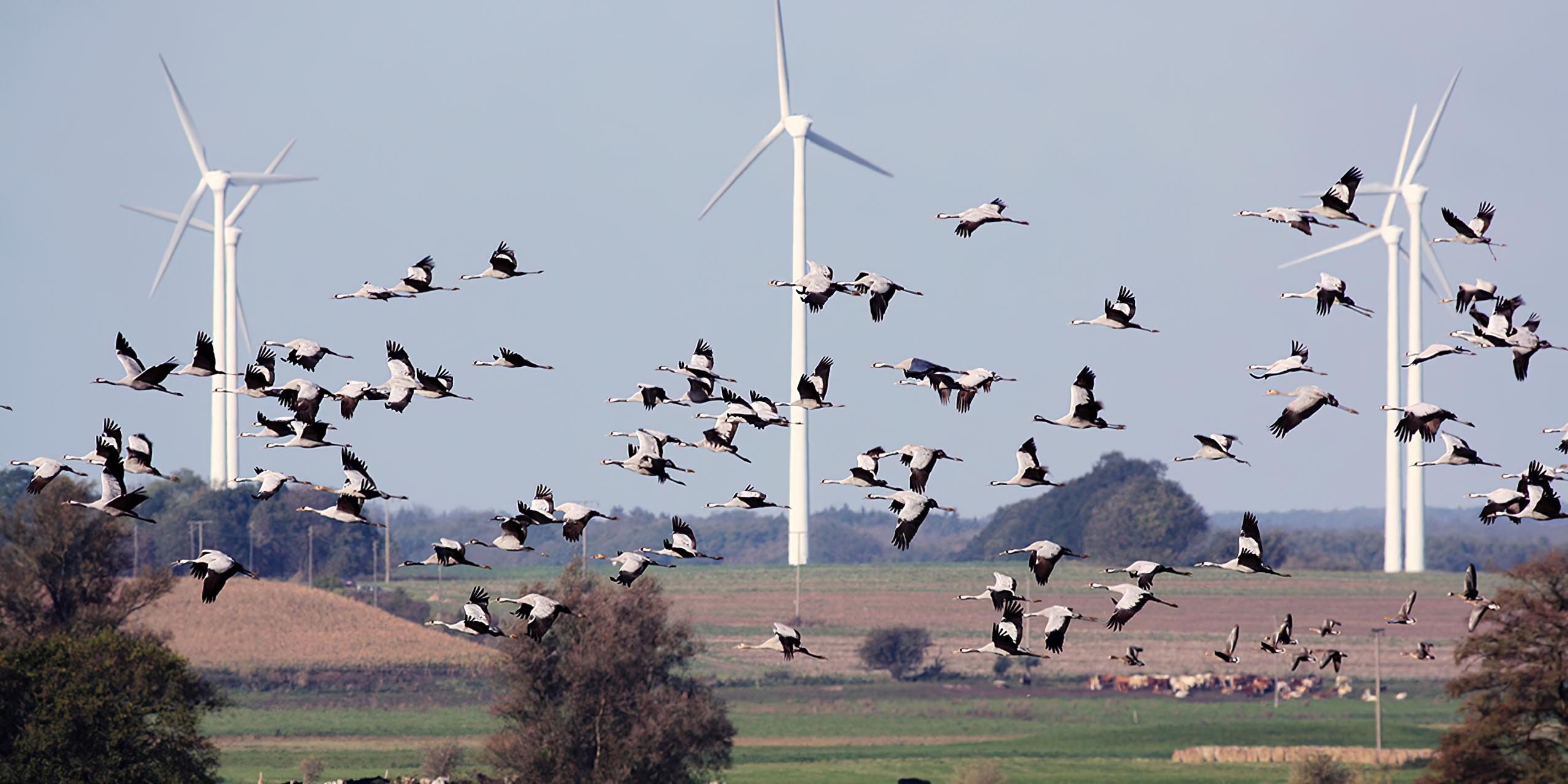
Although wind is widely regarded as a climate-friendly energy source, wind farms can have significant adverse effects on wildlife — and birds are often the most affected group. Collision fatalities, disturbance and displacement, the barrier effect, and habitat loss are the principal risks. Two factors warrant particular attention in wind farm assessments: large bird aggregations, especially during migration, and the presence of threatened species.
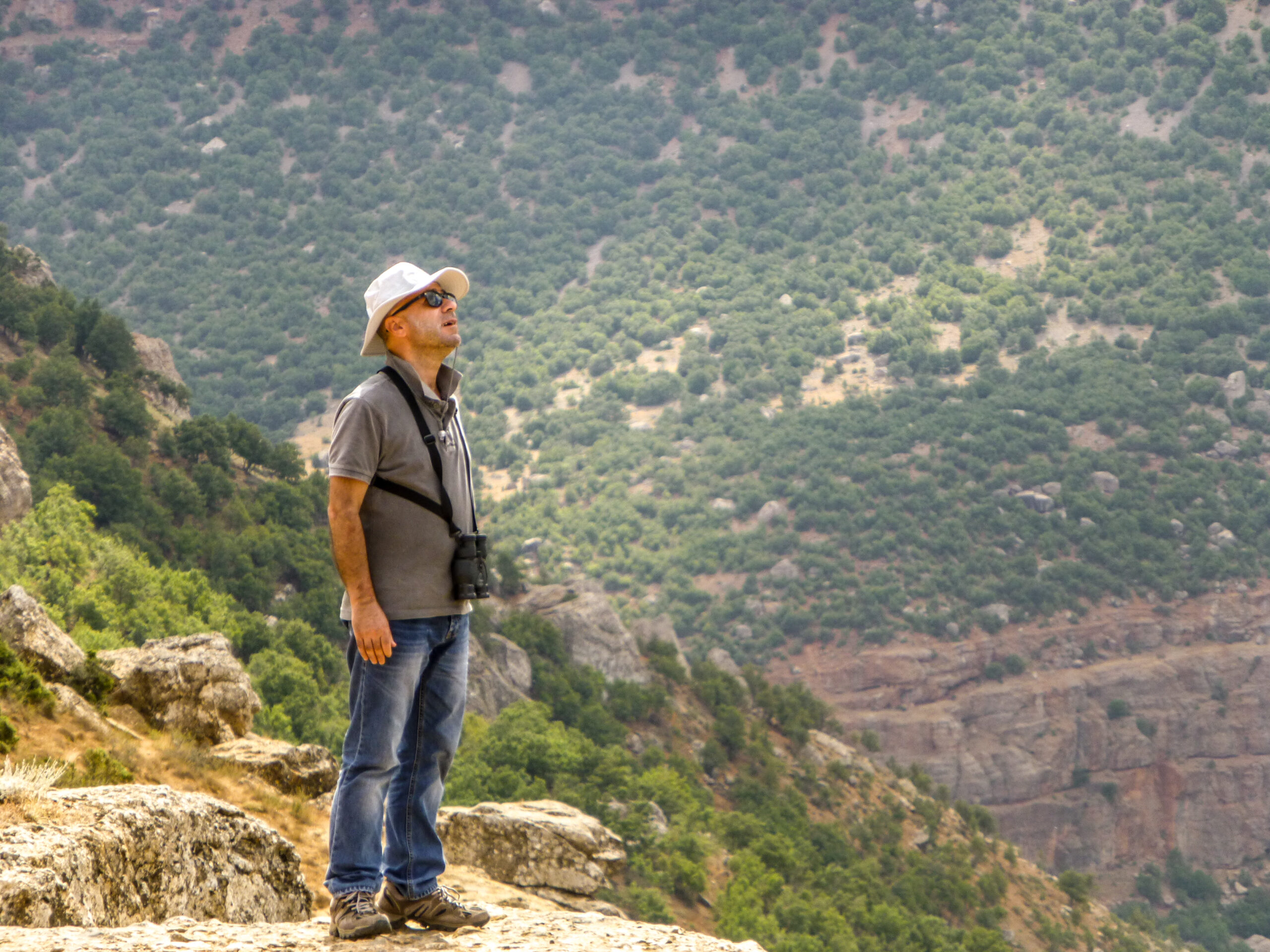
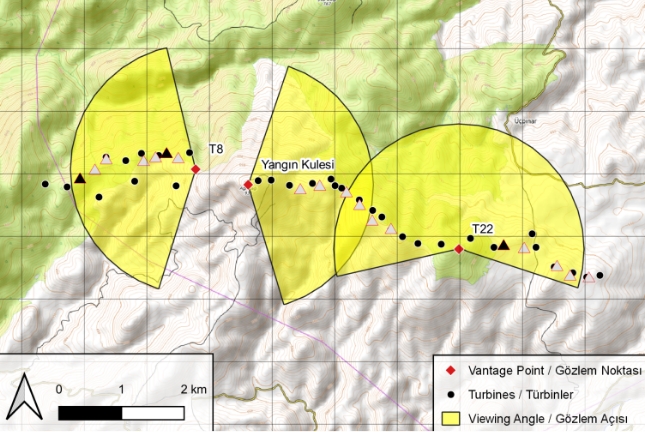
Observation from fixed Vantage Point (VP) methodology is recommended in international guidelines for wind farms. An appropriate number of VPs to provide visual coverage of the entire site is selected prior to the studies. Field surveyors scan the site and document all contacts with target bird species from these VPs.
At each VP a minimum of 36 hours per season is required. It is necessary to increase survey effort if the project site is located close to a migratory route. A dataset needs to be collected over at least 2 years to be reliable.
The first goal with these studies at wind farms is to be able to calculate how many birds pass through the rotors at each season. The second is to provide an estimate of collision mortality rates (Collision Risk Modelling). CRM is integral to environmental risk assessments for wind farm financing.
Biodiversity Action Plan is developed and revised when it is determined to what extent each species might be impacted. To provide some examples of how we as KAB Ecology assisted some of our clients, we:
- Developed and currently help implement a shut-down on demand procedure at a wind farm located on a main migratory route.
- Investigated the activities of White-tailed Eagle (nationally threatened) at a wind farm and assisted with implementation of measured to protect the species.
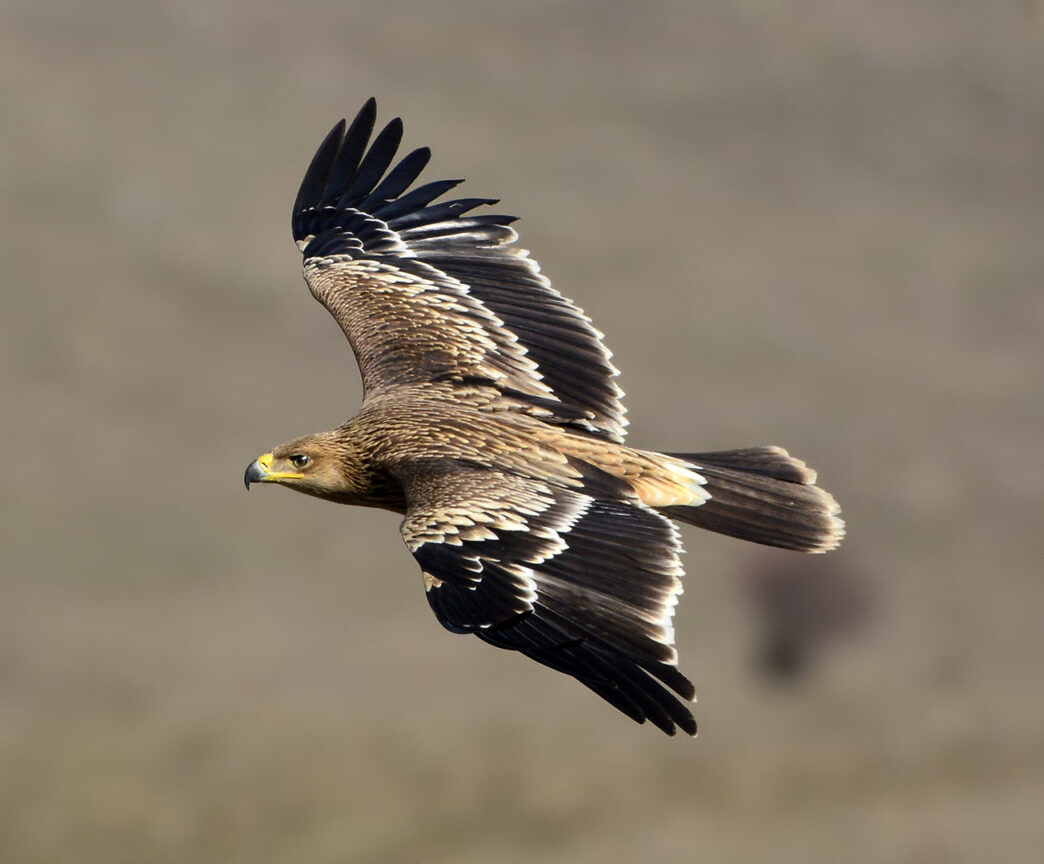
- Studied reproductive success of Eastern Imperial Eagle nests during a highway construction. We then advised prevention of drone flights (which were being used to track construction progress).
- Monitored European Nightjar population densities for two years and determined they were not affected at the 3 wind farms in question.
Biodiversity Action Plan is developed and revised when it is determined to what extent each species might be impacted. To provide some examples of how we as KAB Ecology assisted some of our clients, we:
- Developed and currently help implement a shut-down on demand procedure at a wind farm located on a main migratory route.
- Investigated the activities of White-tailed Eagle (nationally threatened) at a wind farm and assisted with implementation of measured to protect the species.
- Studied reproductive success of Eastern Imperial Eagle nests during a highway construction. We then advised prevention of drone flights (which were being used to track construction progress).
- Monitored European Nightjar population densities for two years and determined they were not affected at the 3 wind farms in question.
Bird Studies Gallery