| Project | Location | Capacity | Years |
|---|---|---|---|
| Sivas SPP | Sivas | 1000 MW | 2026 |
| Emir WPP | Tekirdağ | 80 MW | 2026 |
| Taşeli SPP | Karaman | 1000 MW | 2026 |
| Stip WPP | North Macedonia | 25 MW | 2026 |
| Rioni WPP | Georgia | 396 MW | 2026 |
| Günaydın WPP | Balıkesir | 21 MW | 2025 |
| Uluborlu WPP | Isparta | 60 MW | 2025 |
| Balabanlı WPP | Tekirdağ | 97 MW | 2024-2026 |
| Akköy WPP | Aydın | 25 MW | 2024 |
| Harmancık WPP | Çanakkale | 42 MW | 2024 |
| Dampınar WPP | İzmir | 46 MW | 2024 |
| Ihlamur WPP | Balıkesir | 50 MW | 2024 |
| Ovacık WPP | Çanakkale | 55 MW | 2024 |
| Hacıhıdırlar WPP | Denizli | 63 MW | 2024 |
| Armutçuk WPP | Çanakkale | 84 MW | 2024 |
| Kestanederesi WPP | Manisa | 117 MW | 2024 |
| Uygar WPP | İzmir | 250 MW | 2024 |
| Koru WPP | Çanakkale | 55 MW | 2023-2026 |
| Pelit WPP | Sivas | 80 MW | 2023-2026 |
| Saros WPP | Çanakkale | 138 MW | 2019, 2023-2026 |
| Bandırma WPP | Balıkesir | 92 MW | 2023-2024 |
| Gümüştepe WPP | Kars | 20 MW | 2023 |
| Tüpraş Oil Refinery | İzmit | — | 2023 |
| La Herradura 3 WPP | Cuba | 51 MW | 2021-2022 |
| Nakkaş-Başakşehir Highway | İstanbul | — | 2021 |
| Ulu WPP | Bursa | 120 MW | 2020-2021 |
| Denizli WPP | Denizli | 51 MW | 2020-2021 |
| Barakat WPP | Afghanistan | 43 MW | 2020-2021 |
| Kıyıköy WPP | Kırklareli | 100 MW | 2019-2026 |
| Pazarköy WPP | Balıkesir | 46 MW | 2019-2022, 2025 |
| Tayakadın WPP | İstanbul | 50 MW | 2019-2022, 2025 |
| Selimiye (Yalova) WPP | Yalova | 50 MW | 2019-2022, 2025 |
| Bağlama WPP | Van | 50 MW | 2019-2022, 2025 |
| Kızılcaterzi WPP | Tekirdağ | 8 MW | 2019-2022 |
| Hasanoba WPP | Çanakkale | 50 MW | 2018-2021 |
| Kocalar WPP | Çanakkale | 50 MW | 2018-2021 |
| Üçpınar WPP | Çanakkale | 99 MW | 2018-2021 |
| Mersinli WPP | İzmir | 51 MW | 2017 |
| Yahyalı WPP | Kayseri | 92 MW | 2016 |
| Fuat WPP | İzmir | 34 MW | 2015, 2023-2024 |
| Mut WPP | Karaman | 53 MW | 2015-2016, 2023-2024 |
| Harmanlık WPP | Bursa | 55 MW | 2015, 2023 |
| Amasya WPP | Amasya | 46 MW | 2015 |
Services
From bird and bat surveys to mortality monitoring, and from active turbine management to data automation and due diligence, our services manage ecological risks with scientific methods from the very first day of a project. Our surveys are conducted in line with national legislation as well as IFC Performance Standard 6 (IFC PS6), EBRD Environmental and Social Requirement 6 (ESR6), EUROBATS, and other international good-practice guidance.
In addition to our six core service areas, we carry out all types of work related to flora, fauna and ecology, including flora and fauna studies, biodiversity management plans, and critical habitat analysis, among others.
Bird Surveys
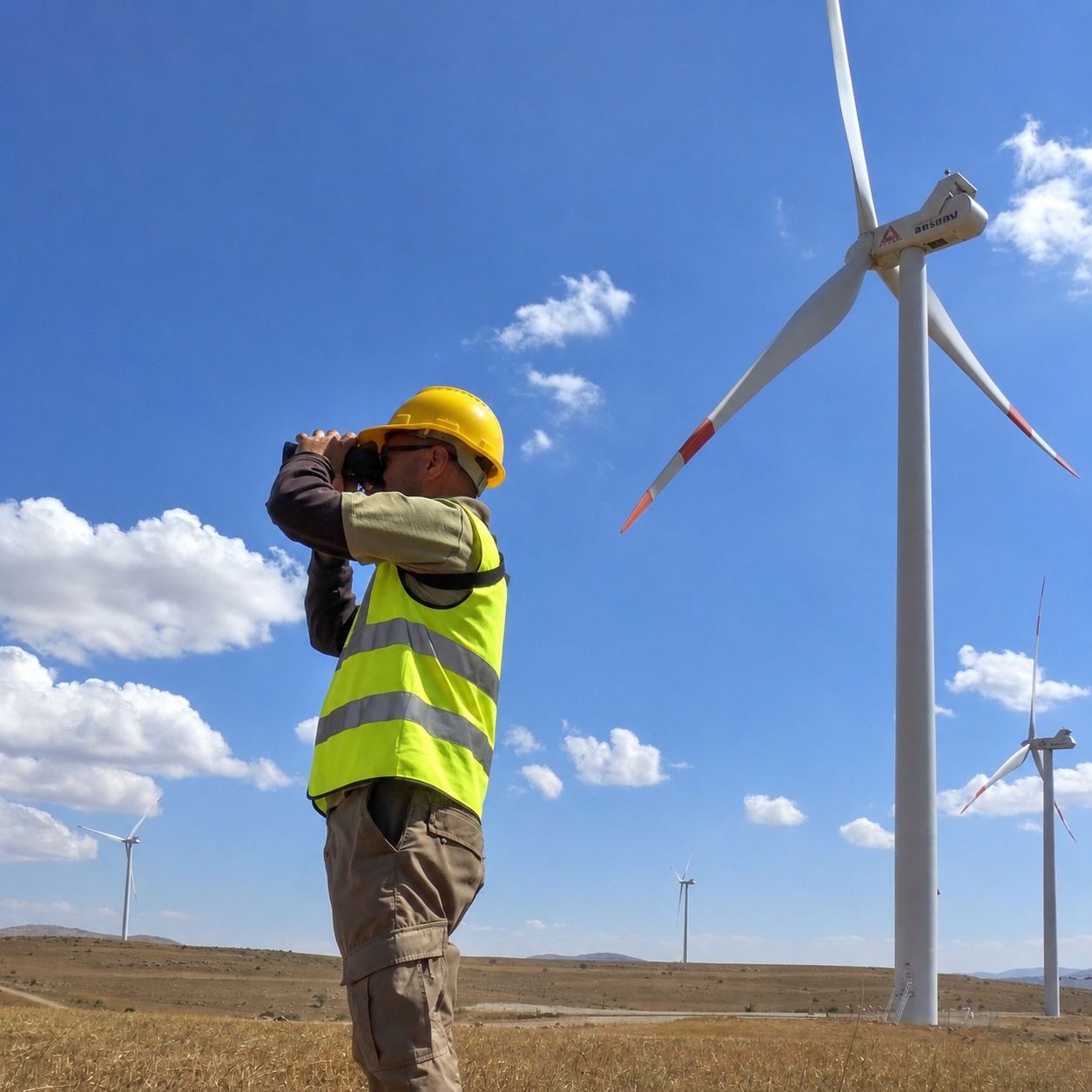
Bird surveys are one of the core components of biodiversity studies. KAB Ekoloji has extensive experience in conducting bird surveys.
Bird surveys are a core component of biodiversity assessments and ecological impact studies. While wind energy facilities make a significant contribution to clean energy generation, they can also pose a range of adverse effects on birds — chief among them collision with turbine blades, habitat modification, and disruption of flight routes.
Read more …
KAB Ekoloji conducts bird surveys in accordance with international best practice standards and current scientific methods. For wind energy projects, we carry out surveys using Vantage Point methodology, with trained observers recording bird movements systematically from fixed stations with. Minimum observation effort is defined for each season, and survey effort is increased for projects located along bird migration routes.
Bird movement data are first digitised within a Geographic Information System, then processed through Collision Risk Modelling (CRM) to estimate annual passage rates at turbine height and calculate collision probabilities. These pre-construction findings play a critical role in ecological risk assessments and in meeting the requirements of international finance institutions.
Breeding bird surveys are another core area of our work. Breeding populations are identified through listening or using acoustic recording devices and automated sound analysis systems. For raptors such as eagles and vultures, experienced observers establish fixed observation points to monitor nesting activity on cliff faces and rocky slopes.
KAB Ekoloji has extensive experience in bird survey work. Our field specialists bring expertise across a broad range of disciplines, including migration counts, breeding bird surveys, midwinter waterbird counts, surveys of threatened species, and bird ringing.
Our experience in bird surveys:
- At a wind energy facility located on an active migration route, large numbers of migratory birds faced a significant collision risk during peak migration periods. As part of our mitigation work, we identified the highest-risk time windows during migration, developed a turbine curtailment protocol, and trained both field observers and control room operators to implement it. The result was a near-elimination of collision risk while keeping energy production losses to a minimum.
- Several nests of the globally threatened Imperial Eagle (Aquila heliaca) were located close to the alignment of a road project. Throughout construction, we monitored breeding success at each nest, redirected vehicle traffic away from nesting areas, and secured restrictions on drone operations in the vicinity. The road is now operational, and all Imperial Eagle pairs continue to breed successfully at the same locations.
- At a wind farm in Uzbekistan, the surrounding area supported a significant concentration of nesting eagles and vultures. To assess the impact of the turbine installation on these species, we surveyed 200 km² of terrain, locating all cliff faces capable of supporting nests, and monitored breeding success through repeated visits from fixed observation points. Our report, compared against data from previous years, demonstrated that eagle and vulture populations had remained stable following turbine construction.
- A wind energy project in eastern Turkey posed a significant risk to mountain-dwelling eagle and vulture species. At the proposal stage, we assessed the area’s ecological characteristics and predicted which threatened species were likely to be present — predictions subsequently confirmed during field surveys. Mortality monitoring carried out after the facility became operational recorded the deaths of one vulture and one eagle due to turbine collision. In response, we evaluated mitigation technologies suited to local conditions and developed viable solutions for the site.
Bat Surveys
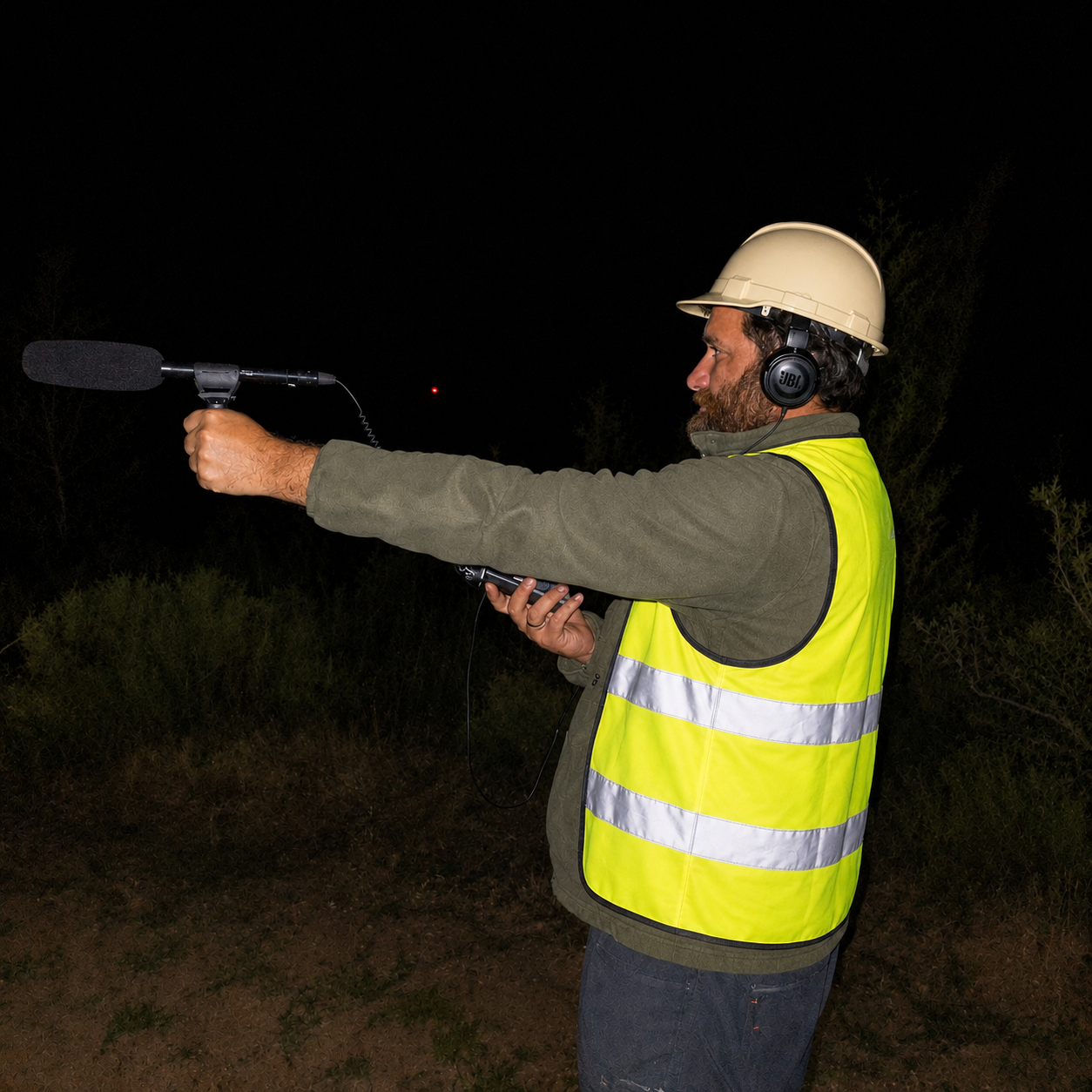
Bats are an indispensable component of the ecosystem due to their critical role in regulating insect populations. We determine bat activity levels through acoustic surveys.
Bats are an essential component of ecosystems due to their critical role in regulating insect populations. However, the widespread use of pesticides and the destruction of roosting sites have placed many bat species under protection. In recent years, the discovery of bat fatalities at wind farms has highlighted the need for effective mitigation measures. Nocturnal bats may die not only through direct collisions with turbine blades but also from barotrauma, caused by the sudden changes in air pressure created by rotating blades.
Read more …
For wind energy projects, we conduct baseline acoustic surveys using specialised detectors capable of recording ultrasonic bat calls. Survey locations are selected according to turbine positions, and monitoring is repeated during different seasons to capture the complete life cycle of bats. Detectors are typically deployed at ground level, while additional microphones are installed at turbine height on meteorological masts, where available, to measure activity within the rotor-swept zone. Mobile surveys are also carried out to identify areas of concentrated bat activity across the site.
All acoustic recordings are stored on our high-capacity servers and analysed using specialised bat identification software and our experienced experts. We identify species, detect threatened or sensitive groups, and calculate the Bat Activity Index (BAI) from call frequencies. Based on these findings, we predict mortality risk level and recommend appropriate mitigation measures for the operational phase.
The most widely applied mitigation measure is to increase the turbine cut-in wind speed, for example from 3 m/s to approximately 5.5 m/s, during periods of high bat activity. This approach, known as turbine curtailment, significantly reduces bat mortality. Since most bat fatalities occur during warm nights with low wind speeds, robust acoustic monitoring enables us to define the optimum curtailment periods and operating thresholds, reducing energy production loss.
Our experience in bat surveys:
- At a wind farm in Thrace, significant levels of bat mortality had been recorded. By analysing acoustic data, we found that nearly half of all bat activity was associated with a migratory species and was concentrated within a two-week period. Based on these findings, turbine curtailment was focused on this critical migration window, resulting in a substantial reduction in bat fatalities while minimising energy production losses.
- Across high-altitude wind farms in the Marmara, Aegean, and Eastern Anatolia regions, we recorded generally low levels of bat activity in alpine zones, as expected. However, detailed analysis of the acoustic recordings revealed the seasonal presence of the Greater Noctule (Nyctalus lasiopterus), a globally threatened species. This finding provides encouraging evidence for the species’ conservation status in Türkiye.
- In the Armutlu Peninsula and the mountains of northern İzmir, we recorded exceptionally rich bat communities. These surveys reinforced the critical importance of forested habitats for bats, and we advised project developers on the conservation measures required.
- In the mountain forests of Çanakkale, Manisa, İzmir and Aydın, we recorded the Lesser Noctule (Nyctalus leisleri), a species previously thought to be restricted to the Black Sea coast of Thrace. Our findings demonstrated that the species is in fact considerably more widespread, contributing new data to the scientific literature.
Click to see map and table.
To date, we have realised a total of 43 bat studies at wind, solar, and hybrid energy projects in Türkiye with a total capacity of 4894 MW.
Fatality Surveys
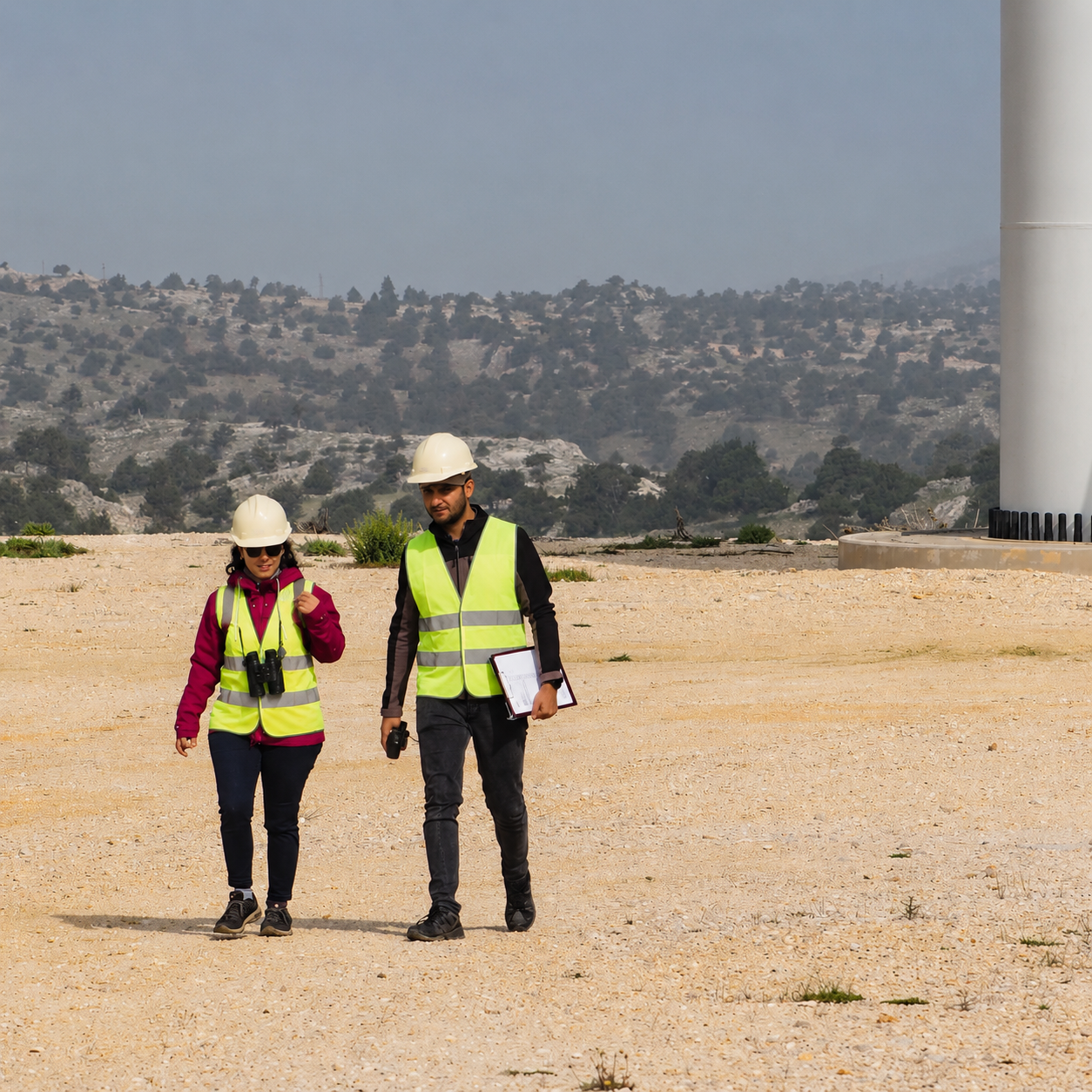
Mortality surveys conducted during the operational phase provide the most fundamental data for reliably assessing the impact of wind energy facilities on the ecosystem.
During the operational phase of a wind farm, the focus shifts from baseline studies to measuring actual impact. Mortality monitoring follows Post-construction Fatality Monitoring (PCFM) best practices, as required by development banks such as IFC and EBRD at most projects they finance. The aim is to estimate annual bird and bat mortality and to determine whether mitigation measures are needed.
Read more …
The fatality monitoring is carried out in three steps. In the first step, a full-time wildlife specialist walks each turbine pad on a weekly basis, searching for carcasses. Systematic searches are conducted within a defined area around each turbine. Every carcass found is documented in detail: birds are identified to species, and photographs and measurements are taken of bats to allow identification. Searches are repeated every week throughout the active season of the target species.
The first step alone is not sufficient, as observed mortality represents only a fraction of actual fatalities. Adjustment factors must be taken into account to arrive at reliable mortality estimates:
- Even the most skilled and carefull surveyor cannot locate all carcasses.
- Many carcasses are removed by scavengers such as foxes, crows and dogs before the surveyor arrives.
- Carcasses may also fall outside the search area or disappear under vegetation.
In the second step, two parameters are measured in the field: observer efficiency and carcass persistence. These experimental trials are conducted under the supervision of an expert accompanying the field surveyor. Carcasses or decoys are placed in the field and checked daily to determine how long they remain and what fraction the surveyor is able to detect. Trials are repeated 3–4 times per year.
In the third step, carcass observation data from the first step and adjustment parameters from the second step are analysed using specialist statistical software to produce total mortality estimates. Results can also be broken down by week and by turbine, allowing mitigation measures to be targeted at the most critical periods and locations.
Given that wind farms are often sited in forests, mountains and other natural habitats, bird and bat mortality is a common, if not inevitable, outcome at many projects — but one that can be substantially reduced through mitigation. Turbine shutdown programmes can be implemented during the most critical periods for migratory birds; for bats, turbines can be kept idle during low wind conditions at the highest-risk hours and weeks. In this way, losses in energy production can be kept to a minimum.
Active Turbine Management
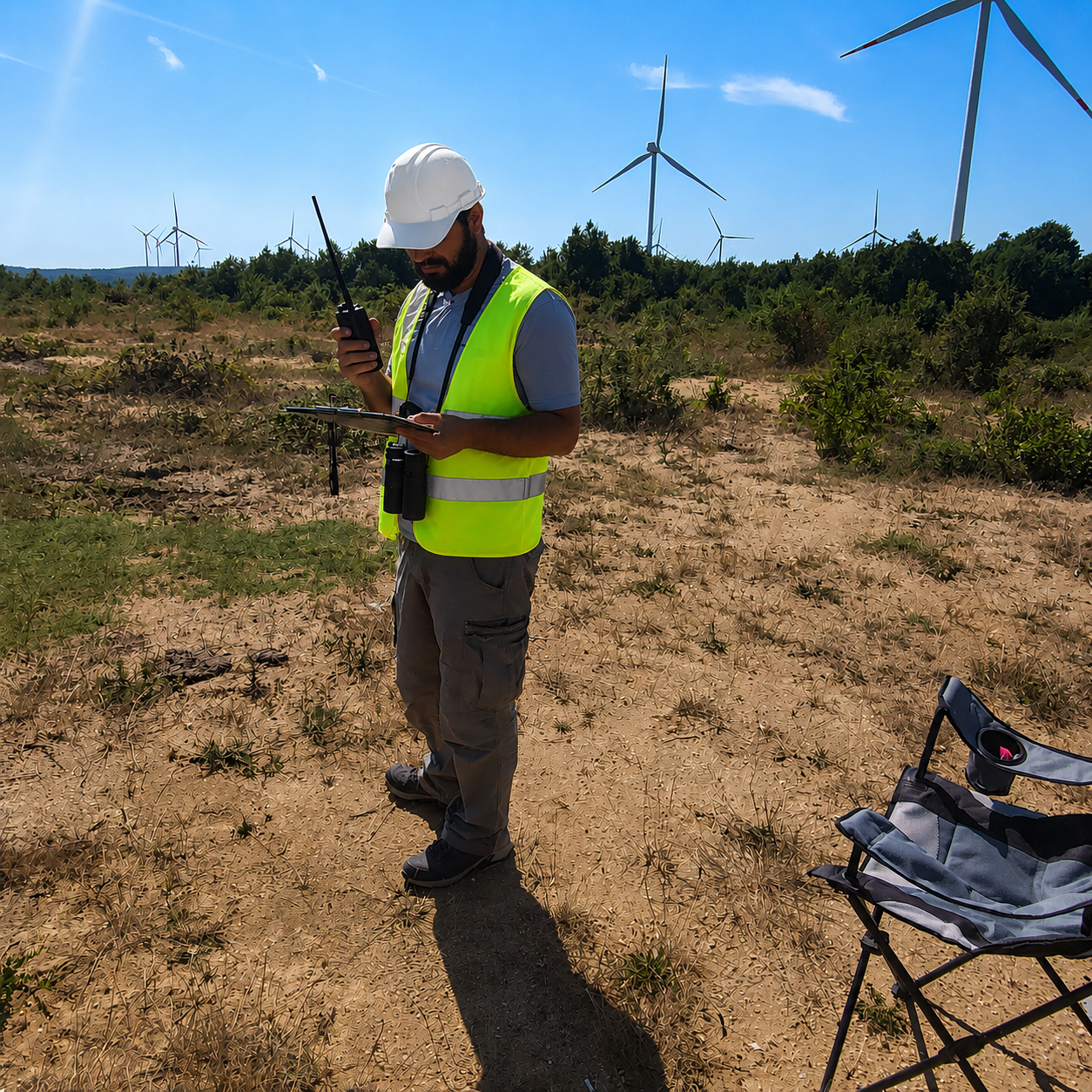
In sites where bird and bat risk is high, measures are required to reduce collision-related mortality. These measures are achieved through active turbine management.
Mortality due to collision with turbine blades might be a serious concern at wind farms where bird activity levels are high or threatened species use the airspace. Mitigation measures to prevent collision mortality might be necessary if collision risk is evaluated to be high in ornithological studies. A common and effective mitigation practice is active turbine management through shut-down on demand. This practice minimizes both of collision mortality and energy production loss. The following three are needed to implement this measure:
Read more …
- A reliable baseline bird survey
- Expert bird surveyors
- A protocol developed for the unique needs of the site
The protocol delineates the responsibilities of command desk and surveyors. It details the answers to the who, where, when, what and how much questions pertaining to shut-down events in very clear terms. Documentation and reporting is also described.
Bird surveyors must be present and actively scanning the site every day during daylight hours for any period / season of the year when risky bird passage might occur. Survey period for sites located along major bird migration routes would be spring and autumn while for sites where globally threatened species are residents it would be year-round. Surveyors ensure that the turbines are paused whenever risky bird passage is detected. Turbine activity is cleared to resume as soon as risky passage is over. This simple yet effective solution prevents migrant and threatened species mortality. The success of shut-down on demand implementation can be measured by routine carcass monitoring and mortality studies.
Command desk personnel is an integral partner in proper implementation. At the beginning of each season a briefing and applied drill session is held with the participation of all stakeholders. Various shut-down scenarios are simulated in order for the personnel to practice reaction times and test the turbine stop times. The drills significantly improve efficiency for the rest of the season. In a shut-down event, the surveyors relay the turbine pause order to the command desk personnel via radio communications. Command desk personnel follow the required steps on SCADA systems to pause the turbines. Every shut-down event is documented by both parties in a detailed manner. Site specific shut-down protocol is revised and improved based on the data collected and analysed from the event reports. KAB Ecology is the trailblazing firm in Turkey for the first ever implementation of shut-down on demand at wind farms.
Data Management
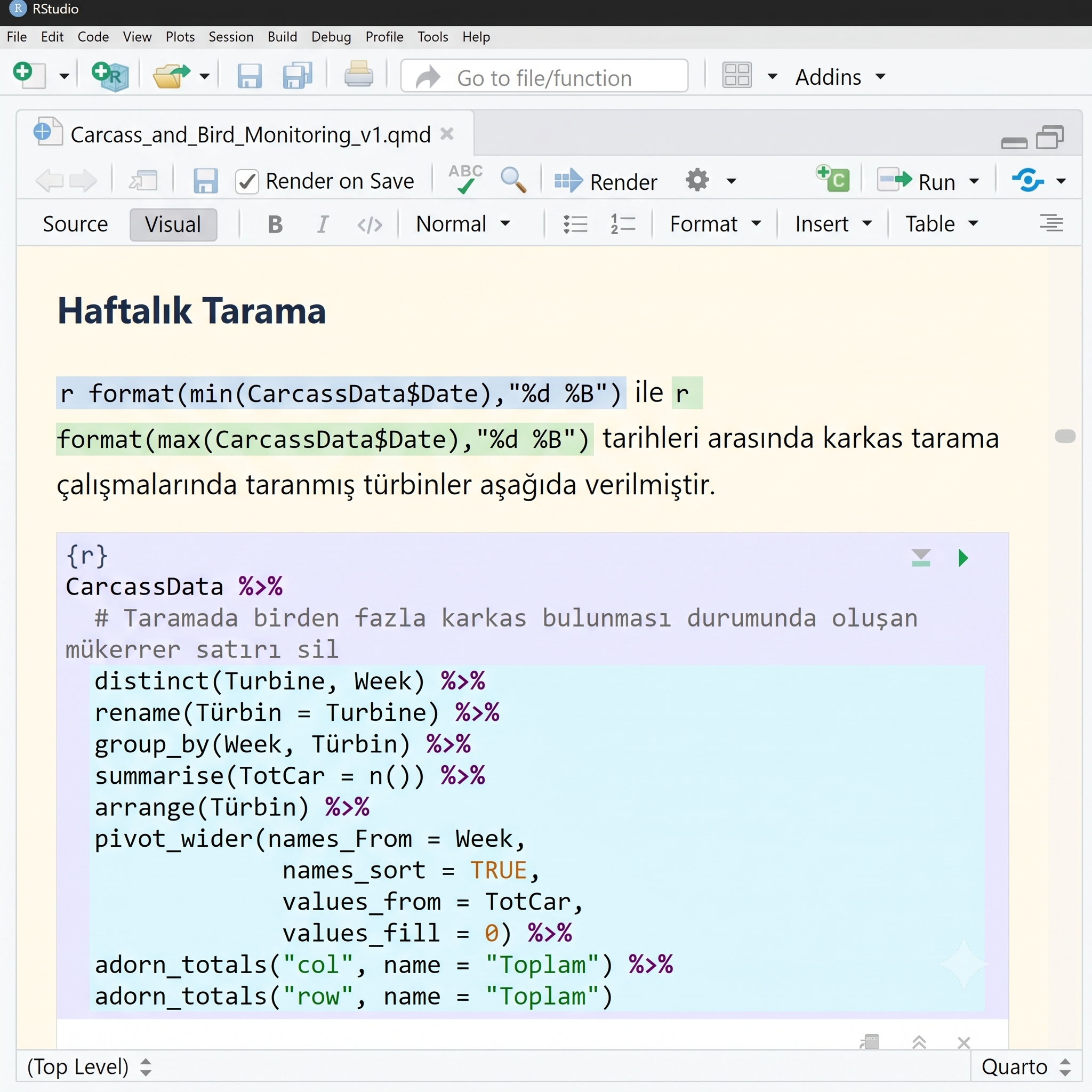
The quality of biodiversity studies is determined by the accuracy of field data and effective data analysis. We produce high-standard reports through standardized data forms and automated analysis and reporting systems.
The quality of ecological impact assessment ultimately depends on the quality of field data. It is just as important for field surveyors to record data accurately as it is to apply the right methodology. We have developed standardised field recording sheets, maps and data tables for each survey type. Field data is digitised and archived on our high-capacity server. Through projects in Turkey and abroad, we have developed, tested and refined our data collection, analysis and reporting standards under a wide range of conditions.
Read more …
For data processing and analysis, we use the R programming language and GIS tools. Automated workflows allow large datasets to be processed and reports to be produced in a consistent format. This infrastructure enables reproducible analyses throughout the project period and replicable results across projects. We also produce automated weekly or monthly progress reports for project owners and field teams are kept up to date.
Data analysis and reporting can place a significant burden on ecological consultancies, particularly on projects with tight deadlines. Using the automated workflows we have developed for our own projects, we provide technical services to other consultancies covering data collection, analysis and reporting. Through this collaborative model, we help our partners focus on delivering high-quality fieldwork while elevating their reporting standards for international requirements.
Reports are prepared according to the target audience and applicable standards in English and/or Turkish. For domestic projects we follow national requirements; for international projects we meet the expectations of lenders and international consultancies.
Due Diligence
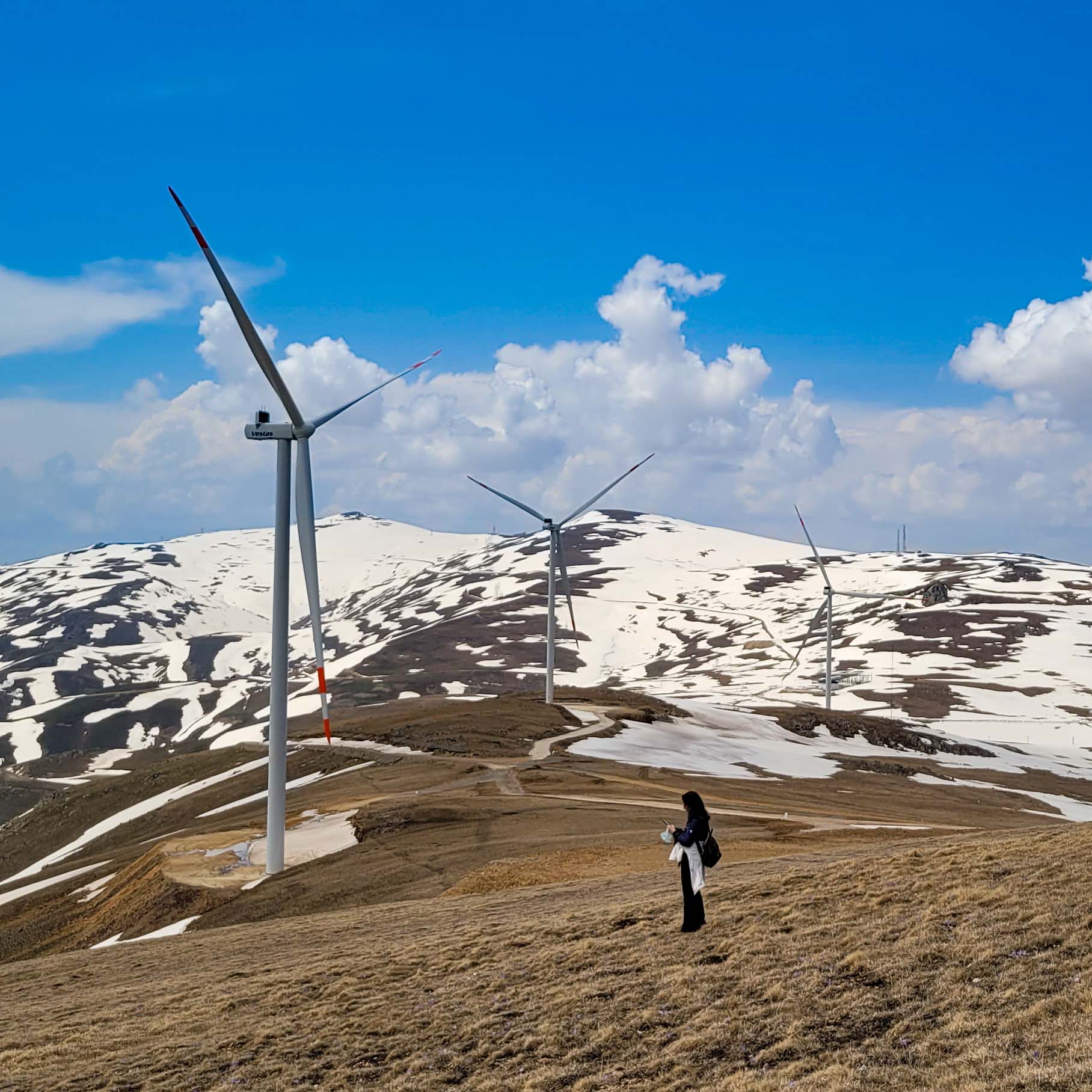
We provide independent review services—covering the evaluation of previous studies, assessment of the current status, and compliance review—for banks and lenders as well as for companies and other consultancy firms.
Due Diligence, commonly requested before an acquisition, is an assessment report typically required by the buyer prior to a purchase. However, project owners may request such reports for various other reasons as well.
Read more …
An acquiring institution may want to understand the biodiversity-related risks a project could carry. A project owner may want to confirm that existing reports are adequate before signing a new loan agreement. A project owner may want to include their existing projects in an environmentally responsible investment portfolio. In these situations, a review of the adequacy of previously conducted bird, bat, and biodiversity studies may be required.
There are significant differences between environmental regulations and practices in Turkey and those in other countries. When such differences exist, international financial institutions typically favor the more stringent environmental standard. Reports prepared solely under national regulations are generally not sufficient to secure international financing.
For wind farms, the key question in bird studies is how many birds will pass through the turbines annually, how many will collide with the blades, and what scale of impact these collisions will have on the natural environment. Studies conducted to national standards typically provide a species list, which also forms the basis of the biodiversity section in EIA reports. This list is a descriptive table summarizing the conservation status of identified species, without quantitative data.
To date, we have prepared numerous Due Diligence reports, primarily for wind energy projects. Following many due diligence assessments, we have also overseen the subsequent field studies required at these sites. We have encountered the following examples.
- At a wind farm located along a bird migration route, we found that the number of migrating birds was far higher than previously reported: while 2,500 birds had been counted in spring, we determined that the total number passing through the site ranged from 90,000 to 310,000.
- In one study, we forecasted the potential bird and bat risks for 4 wind farms. In the following years, field studies confirmed our predictions, showing weak autumn migration and strong spring migration at one of the sites.
- At another wind farm, during an acquisition process, we identified the outstanding biodiversity studies and existing risks at the site in detail. Our assessment helped the acquiring company anticipate potential costs and liabilities in advance, directly informing the purchase pricing process.